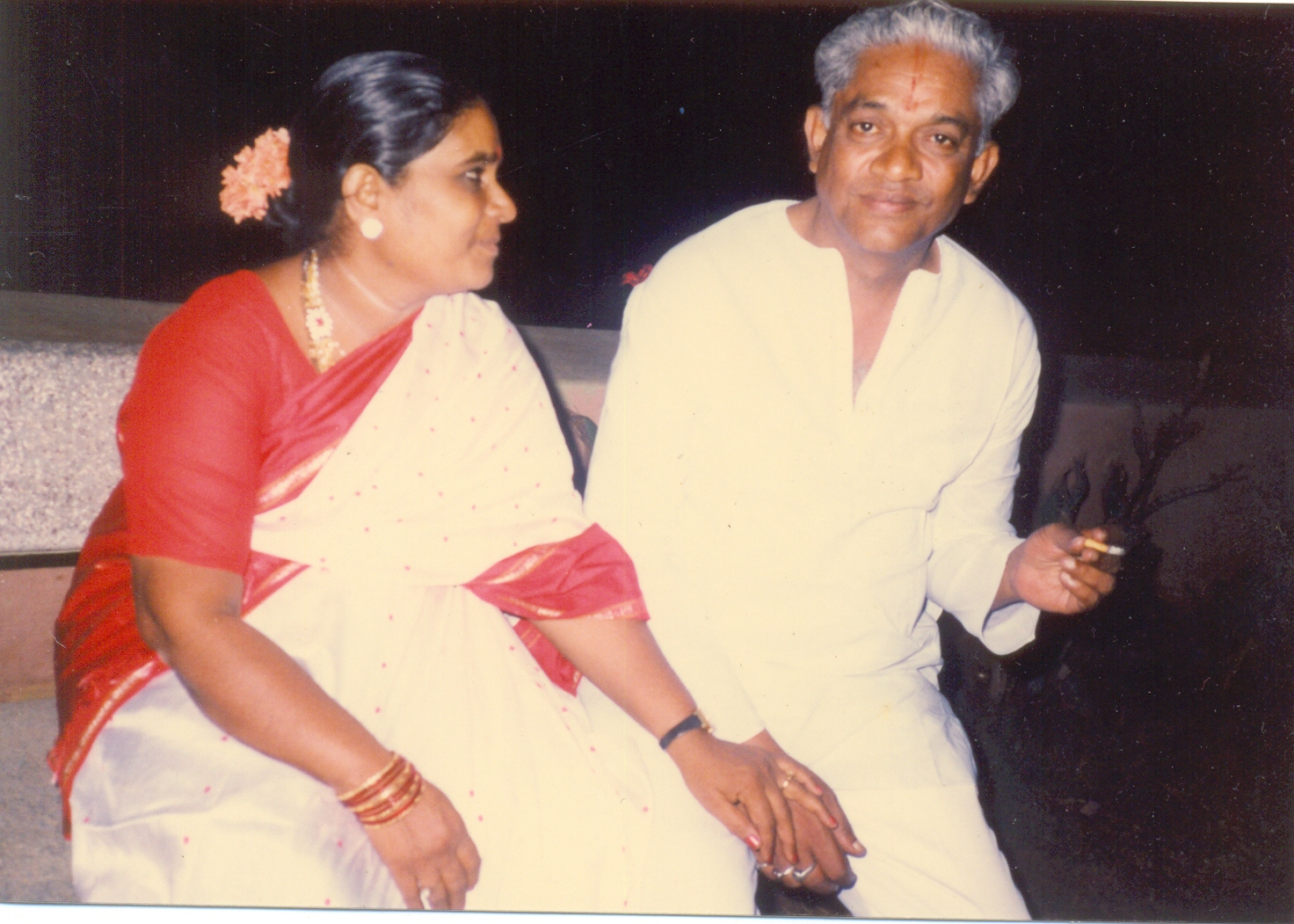
Deepavali in our house actually started about 6 weeks before festival day. During this period our house turned into a small scale “Sivakasi” (fireworks factory).
We learned a lot from Dad about his college days and how they celebrated Deepavali in Vizianagaram streets. He use to tell us about the local street competitions where they carried cricket bats and hockey sticks to defend themselves. There were gangs of students on either side of the street and threw rockets, velakkaya (wood apple) bombs at each other. Anyway, I did not start this to talk about gangs, so I will get back to the topic of Deepavali in our house.


So about six weeks before Deepavali night, we made a list of all the firecrackers we would make at home and the raw materials required. The list was like this:
- Flower pots – normal (thella chicchubudlu) – 100
- Flower pots – red (mandara chicchhubudlu) – 100
- Pencils (mathabaulu) – 300
- Sparrows (pichukalu, sisindrilu) – 100
- Rockets (thaara juvvalu) – 100
- Thataku tapakayalu (Not sure what to say in English) – 200

The raw materials required were like:
- Sulphur (gandhakamu)
- Potassium Nitrate (surekaaramu)
- Charcoal (boggu)
- Aluminum filings
- Iron filings
- Castor oil
- Maida flour
- Clay flower pot cone shaped shells
- Lots of news papers
- Clay
- Sand
The process of making fireworks started with shopping for flower pot cone shells, the chemicals, and ensuring that we kept all the old news papers and not let Mom sell them to paper vendor. It was important to hand pick the clay flower pot cone shells at the local market. Each cone was carefully checked for any imperfections that would lead to the pot bursting or leaking during lighting. Once we hot the shells home, we would dip them in water and dry them properly. For the pencil lights, we had to make the cylindrical shells from news paper. This was a laborious process and we had two part time employees for this, me and my sister. First the new papers were cut into small sheets to 4 inches by 12 inches size. Then each sheet was rolled into a cylinder using a wooden roller stick. The outer edge of the cylinder was sealed with the home made glue from maida flour. Sister was very efficient and in making the shells, I used to get bogged down in getting the shape right and so my output rate was very low. The shells were then dried under sunlight, and then Dad would inspect them. Some shells would be thrown out but most made through the meticulous inspection process. We also made small cone shaped shells for sisindrilu (sparrows that flew in random directions once they are lit). For the rockets we had a couple of Dad’s constables who helped in making the shells from thick paper.
About 2-3 weeks before Deepavali night, Dad would get all the chemicals and mix them for each type of fireworks. He know the exact ratio of the chemicals that need to be mixed. I can still remember the smell of sulphur and castor oil to this day. The flower pencils (mathabulu) took the longest time to make. First each cylinder was twisted at one end and filled with one inch of sand (this kept your hand safe so the fire never reached your hand), and then filled with a little amount of the chemical mixture, and a wooden stick was used to stuff it in and ensure there are no gaps. Once the cylinder was filled to the end, it was sealed with the maida glue. Again Dad would inspect the pencils and once passed would end up under sunlight for drying. Moisture is a big killer for fireworks, so it is important they dry properly.
For the flower pots we had two types of mixtures, once which gave out white sparkles and the other orange colored sparkles. I always like the orang colored sparkles and was more interested in making those. Each flower pot shell had a hole on the narrow cone side. The hole was sealed with a small square paper cutting using maida glue. From the other side a small amount of starter powder was placed (black powder made of charcoal, potassium nitrate and sulphur), then the actual flower pot mixture was place till 3/4th of the shell. Then some newspaper cuttings were placed to separate the mixture from the clay seal that would be filled later. Once all the flower pots were ready, Dad mixed the clay with the right amount of water. We used this semi moist clay to seal the flower pots. This process was very important to ensure that the chemical mixture is stuffed with the right amount of pressure. Too much pressure and the pots would burst and less pressure would mean the height of sparkling tree would be disappointing. Once the pots were sealed they were kept under the sun to dry properly.
Rockets and thataku tapakayalu (cracker) were made by the constables and I helped them in this process. I was good at making the thataku (dried palm tree leaves) shells. These leaves were also used to make many toys in villages. Each thataku cracker had a square shaped pocket and a long tail. The pocket was filled with chemical mixture and a small wire fuse was attached to one corner. Basically you would hold it by the tail, light the fuse and either hold it in your hand away from the face or sling it away from you. It would make a strong “DHUD” sound with a flash of light. You were considered brave and felt proud if you held it in your hand.
Now comes the morning of the Deepavali festival. Everybody is anxiously looking forward to the evening, and meanwhile our Tamil Mami and her family are bursting the firecrackers early in the morning. I could not wait and used to sneak some firecrackers behind the house and lite them. Mom was busy doing pooja and then in cooking. She would make some lovely sweets like “Poornam Boorelu” (sweet chana dal balls with jaggery) and “Ariselu” (another sweet with rice floor patties soaked in jaggery). In the evening, we all wore new clothes and waited anxiously for the sunset. As soon as it would get dark, Mom and sister would place the “Diyas” near the entrance and lit them.Then we lit the castor plant stems with oil dipped cloth at the end and sang the Deepavali song “Dibbu Dibbu Deepavali, malli vacche nagula chavithi”. After that it was time for us to enjoy the fireworks, also a testing time for our homemade fireworks. Dad enjoyed Deepavali like a child would and we could see the happiness in his face when the flower pots and other firecrackers we made worked flawlessly. Sometimes the flower pots would burst and he would be very disappointed. Dad always bought us a lot of other fireworks like Bhoochakralu, Vishnuchakralu, seema tapakayulu, lakshmi bombs, sparklers etc. We enjoyed the fireworks late into the night and there was a kind of competition with the neighbors, and Dad always wanted us to have an upper hand. We would go on until we finally got exhausted. The celebrations would them continue on with a sumptuous dinner. Here is a video I found on youtube that explains exactly what we used to do to make the firecrackers at home. I wish Dad had written down his formulae, it would have been own secret recipe for wonderful firecrackers.
The tradition of making fireworks at home ended with Dad, I never learnt the art of making them and moving away from my parents after my undergrad did not help either. I now wish I had spent few more Deepavali nights with Dad, but I really cherish the memories of those wonderful nights.
Comments
3 responses
Super n this is how it used to be at Vizianagaram
Became nostalgic and wistful.
We used to follow same in our house.
Hi Jag loved your post and visual history on Deepavali. You always have many interesting parts to your life and sharing that was very cool
Mark R Demos
(425) 492-4300
http://www.talentdna.co
http://www.thelegacyforum.com
http://www.teendiscovery.com